Summary of key points
- Iranian and US technical teams expected to meet in Doha in coming days
- Mediators have established de-escalation communication channels
- Iran says talks are not fully confirmed, reflecting uncertainty
- Interim deal includes reopening the Strait of Hormuz
- Iran to receive $6 billion in frozen assets in Qatar
- Conflicting statements highlight fragility of ceasefire arrangement
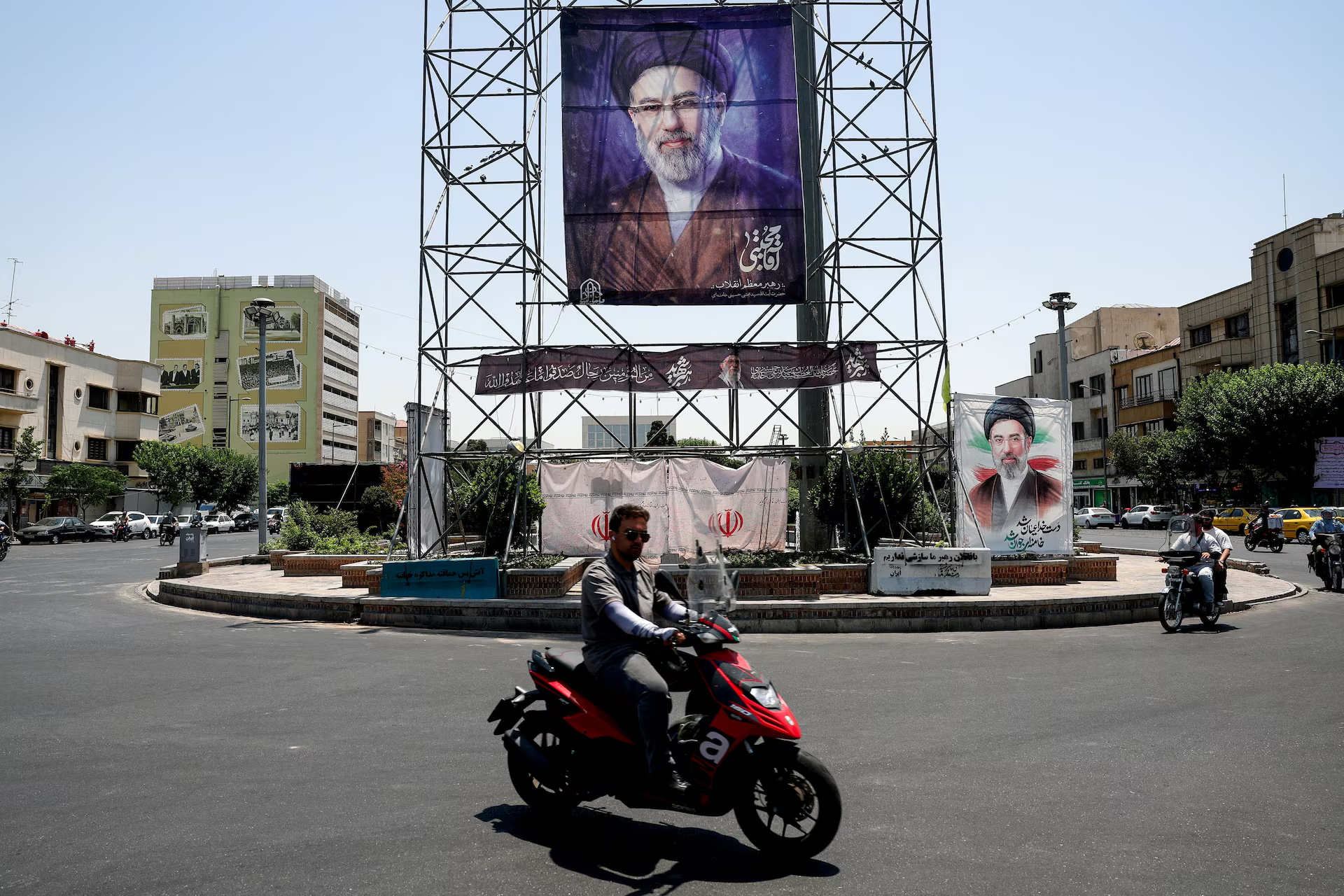
Backchannel diplomacy intensifies as tensions remain high
Iranian and U.S. technical teams working on implementing a fragile interim agreement are expected to meet in Doha in the coming days, according to a source familiar with the discussions.
The planned talks follow a weekend of escalating strikes and counterstrikes that threatened to destabilize the newly established framework aimed at reducing tensions between the two sides.
The source said mediators have already set up communication channels designed to de-escalate incidents quickly and maintain dialogue even if disruptions occur on the ground.
However, uncertainty remains. A senior Iranian official stated that while a meeting in Doha had been discussed, it had not been fully confirmed, highlighting the fragile and evolving nature of the process.
Conflicting signals over Doha meeting
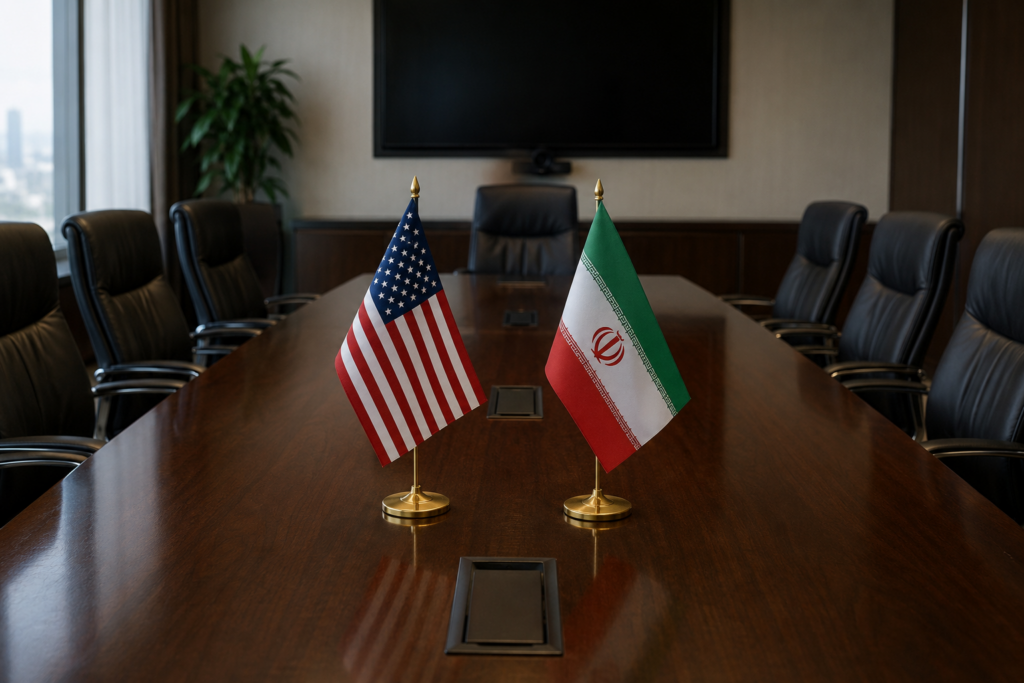
While a U.S.-based source and mediators indicated that technical talks are expected, Iranian Deputy Foreign Minister Kazem Gharibabadi earlier suggested that no formal working group meetings were scheduled this week.
In contrast, U.S. President Donald Trump confirmed in a social media post that a meeting would take place in Doha on Tuesday, though he did not provide further details on the agenda or participants.
White House Press Secretary Karoline Leavitt later confirmed that U.S. envoys Steve Witkoff and Jared Kushner would travel to Doha for high-level discussions alongside technical teams.
She added that the U.S. considered its commitments under the ceasefire to be intact, warning that further violence would trigger a response.
Interim agreement framework and strategic stakes
The current interim arrangement, signed on June 17, is reported to include a 14-point memorandum of understanding aimed at ending several months of conflict and stabilising regional tensions.
A central component of the agreement is the reopening and securing of the Strait of Hormuz, a critical maritime chokepoint through which roughly one-fifth of global oil and liquefied natural gas shipments pass.
Temporary disruptions to the waterway in recent days had already pushed oil prices above $100 per barrel, highlighting the global economic sensitivity to regional instability.
The agreement also outlines a 60-day period of further negotiations addressing more complex issues, including Iran’s nuclear programme. However, both sides have offered differing interpretations of the terms and scope of the deal.
Frozen assets and economic relief measures
Iranian President Masoud Pezeshkian said that approximately $6 billion of Iranian assets frozen in Qatar will be released under the agreement, with a total of $12 billion expected to be unlocked in stages.
He described the arrangement as “a great victory for the Iranian people,” framing it as part of broader sanctions relief tied to the interim deal.
According to Iranian sources, Doha and Tehran are finalising technical arrangements for the first tranche of funds, which will be transferred in phases.
Rising tensions and regional spillovers
Despite diplomatic progress, tensions remain high across the region.
Recent days have seen:
- Missile and drone exchanges between Iranian forces and U.S. targets in Kuwait and Bahrain
- Attacks on shipping in the Strait of Hormuz
- Activation of air defences in Gulf states amid heightened alert levels
Iran’s Islamic Revolutionary Guard Corps has warned of further retaliation if it believes ceasefire terms are violated, while U.S. officials have signalled that additional strikes would be met with force.
Wider regional implications
The instability has also affected parallel conflicts in the region. In Lebanon, parliamentary Speaker Nabih Berri expressed doubts about a U.S.-brokered understanding aimed at reducing hostilities between Israel and Hezbollah, warning it may not be implemented as intended.
The ongoing conflict in Lebanon has already caused significant displacement and casualties, and remains closely tied to broader regional tensions involving Iran and its allies.
International efforts to stabilise maritime security
European and regional actors are also engaging in de-escalation efforts. French President Emmanuel Macron said France is working with Oman and other partners to enhance maritime security in the Strait of Hormuz, including efforts to clear naval mines and ensure safe passage for commercial shipping.
Outlook: fragile diplomacy under pressure
While backchannel diplomacy and planned technical meetings suggest continued momentum toward stabilisation, the situation remains highly fragile.
Conflicting statements from Washington and Tehran underscore the lack of full agreement on implementation details, while ongoing regional military activity continues to threaten the viability of the ceasefire framework.
The coming days in Doha are expected to be critical in determining whether the interim arrangement can evolve into a more durable diplomatic process—or collapse under renewed escalation.