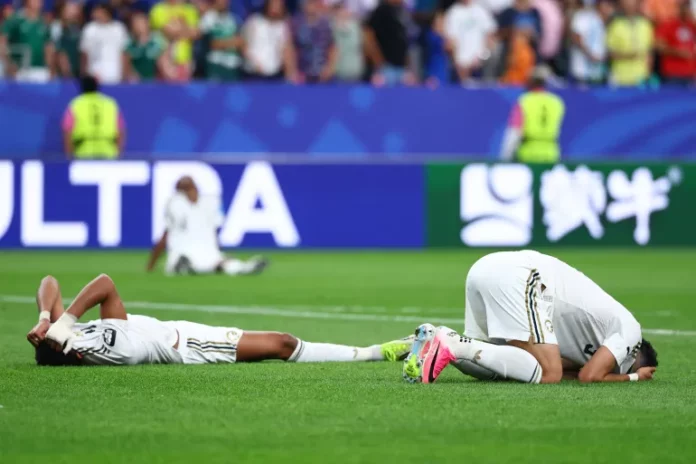
Saudi Arabia’s football leadership has entered a period of upheaval after the national team suffered a disappointing early exit from the 2026 FIFA World Cup, prompting the resignation of the head of the country’s football federation.
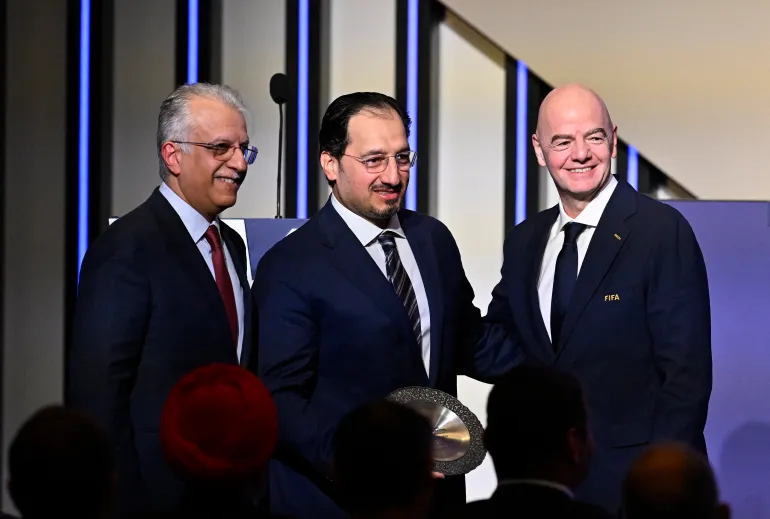
The president of the Saudi Arabian Football Federation, Yasser al-Misehal, announced on Sunday that he would step down following what he described as a “failure that falls short of all ambitions.”
Group Stage Collapse
Saudi Arabia, three-time Asian champions, finished bottom of Group H with just two points from three matches.
Their campaign included:
- A 1–1 draw with Uruguay
- A goalless draw against debutants Cape Verde
- A heavy 4–0 defeat to Spain
The results meant elimination at the group stage, extending Saudi Arabia’s long wait for a deep World Cup run. The team has not reached the knockout rounds since its Round of 16 appearance in 1994.
Saudi Arabia were among several Asian teams eliminated early, with only Japan and Australia advancing to the knockout stage.
Federation Leadership Takes Responsibility
In a public statement posted on X, al-Misehal accepted responsibility for the team’s performance.
“The failure of the national team to qualify for the next round of the World Cup is a result that falls short of all our ambitions, and I bear full responsibility for it,” he wrote.
He added that stepping down would allow for “a new chapter” in Saudi football leadership, even though his current term had not yet ended.
His resignation marks the end of a seven-year tenure during which he oversaw major structural reforms in Saudi football and played a key role in securing the country’s successful bid to host the 2034 FIFA World Cup.
High Investment, Low Returns on the Pitch
Saudi Arabia’s early exit comes despite unprecedented investment in football development.
Over the past three years, the country has reportedly invested nearly $2 billion into its domestic football ecosystem, transforming the Saudi Pro League into one of the most high-profile and financially powerful leagues in the world.
The league attracted global stars including Cristiano Ronaldo, Neymar, and Karim Benzema, as part of a broader strategy to raise the country’s sporting profile.
However, critics have pointed out that investment in star players has not yet translated into consistent international success for the national team.
Coaching Changes and Instability
Saudi Arabia’s World Cup campaign was preceded by instability in the coaching staff.
Poor results in friendly matches earlier in the year led to the dismissal of French coach Hervé Renard, marking the end of his second spell in charge. He had previously replaced Italian coach Roberto Mancini.
The frequent managerial changes were seen by analysts as a sign of broader structural challenges within the national team setup.
A Broader Question for Saudi Football
The early exit raises wider questions about the balance between domestic league development and national team performance.
While Saudi Arabia has rapidly become a global force in club football investment, the national team has struggled to convert that momentum into World Cup success.
With the 2034 World Cup on the horizon, attention will now turn to whether the federation can rebuild a competitive national team capable of performing on the global stage.